 Save
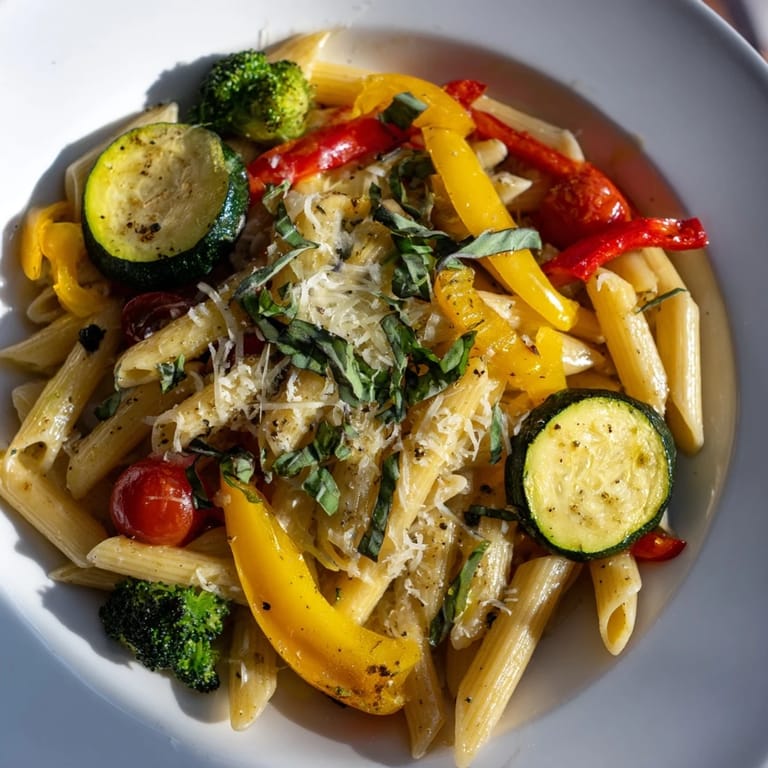
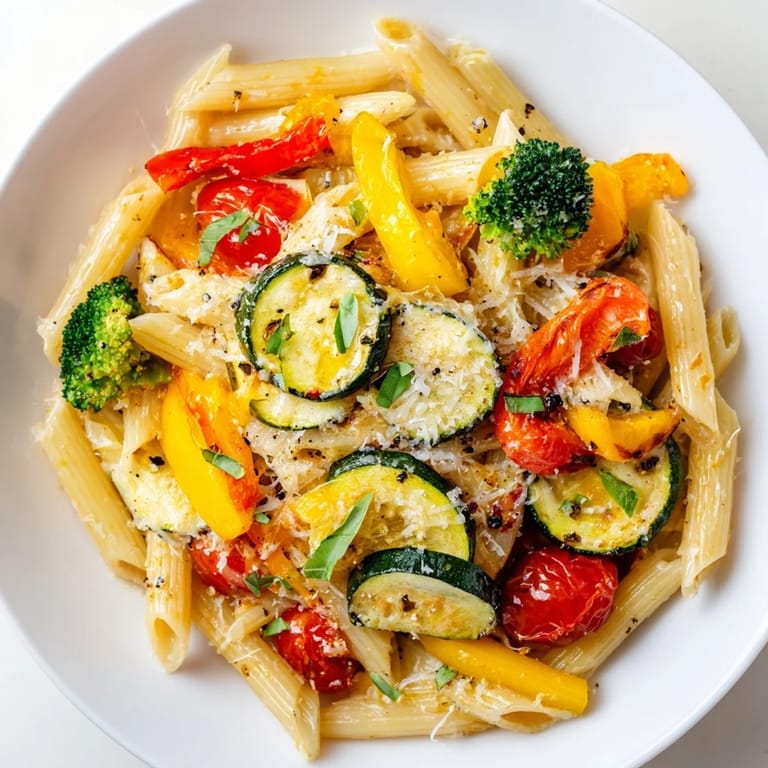
Save My neighbor Rosa once knocked on my door holding a bowl of this, still warm from her kitchen. She didn't say much, just smiled and told me to eat it while the vegetables were still bright. I stood at the counter with a fork and finished half of it before I even sat down. The sweetness of the roasted peppers mixed with the slight bitterness of the broccoli, all clinging to pasta in a way that felt both indulgent and clean. That bowl taught me more about Italian cooking than any cookbook ever did.
I made this for a friend who swore she hated healthy food. She ate two bowls and asked if I'd used cream. I hadn't, just good olive oil and the starchy pasta water that ties it all together. Watching her reach for seconds, I realized this dish doesn't preach or apologize. It just tastes like spring, even in the middle of February when you need it most.
Ingredients
- Penne or fusilli pasta: The ridges and curves catch the olive oil and tiny bits of garlic, making every forkful satisfying instead of slippery.
- Zucchini and yellow squash: They soften and brown beautifully in the oven, losing that raw blandness and gaining a subtle sweetness.
- Red and yellow bell peppers: Roasting them brings out their natural sugar, the red ones especially turn almost jammy at the edges.
- Red onion: It mellows and caramelizes in the heat, adding a gentle sharpness without overpowering the other vegetables.
- Cherry tomatoes: They burst in the oven and release their juices, creating little pockets of acidity that balance the richness of the oil.
- Broccoli florets: The tips get crispy and nutty, while the stems stay tender, giving you two textures in one vegetable.
- Extra virgin olive oil: Use the good stuff here, it coats everything and carries the garlic flavor through the whole dish.
- Garlic: Fresh minced garlic sautéed just until fragrant, not burned, makes all the difference between flat and alive.
- Italian herbs: Dried works perfectly fine here, the heat wakes them up and they cling to the vegetables like they were always meant to be there.
- Parmesan cheese: Freshly grated melts into the hot pasta and adds a salty, umami depth that makes you want to keep eating.
- Fresh basil or parsley: A handful of chopped herbs at the end brightens everything and makes the kitchen smell like summer.
- Lemon wedges: A squeeze at the table cuts through the richness and wakes up your palate between bites.
Tired of Takeout? 🥡
Get 10 meals you can make faster than delivery arrives. Seriously.
One email. No spam. Unsubscribe anytime.
Instructions
- Get the oven ready:
- Preheat your oven to 220°C (425°F) and line a large baking sheet with parchment paper so nothing sticks. This high heat is what gives the vegetables those caramelized edges.
- Prep the vegetables:
- Arrange the zucchini, yellow squash, bell peppers, red onion, cherry tomatoes, and broccoli on the sheet in a single layer. Drizzle with 2 tablespoons of olive oil, sprinkle with Italian herbs, salt, and pepper, then toss everything with your hands until evenly coated.
- Roast until golden:
- Slide the sheet into the oven and roast for 18 to 20 minutes, stirring once halfway through. You want the edges browned and the vegetables tender but not mushy.
- Cook the pasta:
- While the vegetables roast, bring a large pot of salted water to a boil and cook the pasta until al dente. Before draining, scoop out half a cup of the starchy cooking water, it will help everything come together later.
- Toast the garlic:
- In a large skillet over medium heat, add the remaining tablespoon of olive oil and sauté the minced garlic for about 30 seconds until fragrant. Do not let it brown or it will turn bitter.
- Bring it all together:
- Add the roasted vegetables and drained pasta to the skillet with the garlic. Toss gently, adding the reserved pasta water a little at a time to loosen and create a light sauce that clings to everything.
- Finish with cheese and herbs:
- Remove the skillet from the heat and stir in half the Parmesan and most of the fresh basil or parsley. Taste and adjust the seasoning with more salt or pepper if needed.
- Serve warm:
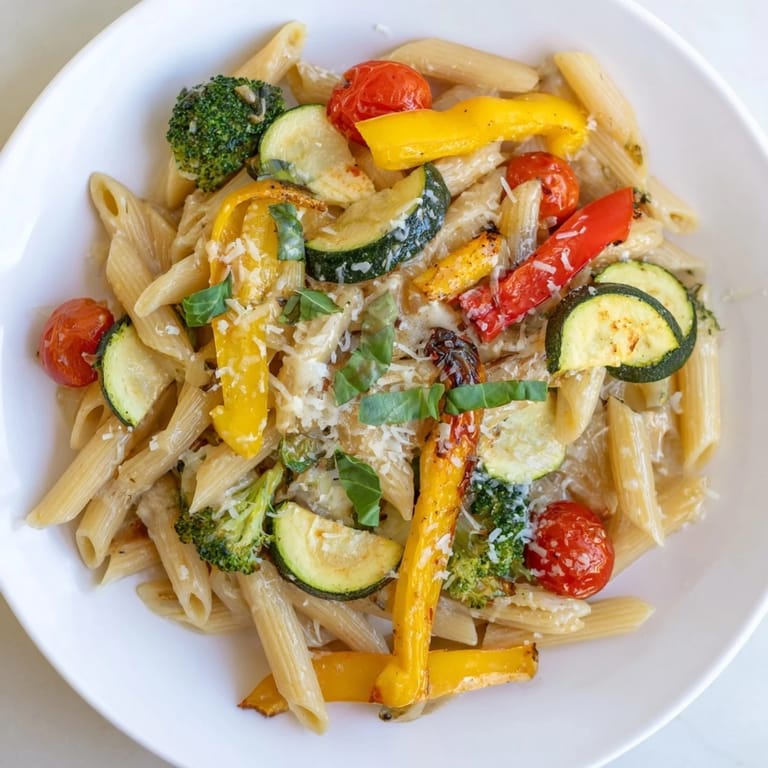
- Divide the pasta among bowls and top with the remaining Parmesan and herbs. Serve with lemon wedges on the side for anyone who wants a bright, acidic finish.
 Save
Save The first time I served this at a dinner party, someone asked if I had trained in Italy. I laughed and told them I just learned to let the vegetables do the talking. We sat around the table long after the plates were empty, pouring more wine and picking at the Parmesan rind I had tossed into the pasta water. That night, the recipe became more than instructions, it became the reason people stayed.
Making It Your Own
This dish changes with the seasons, and that is exactly how it should be. In spring, I swap in asparagus and snap peas. In fall, I use mushrooms and butternut squash. The backbone stays the same, pasta, olive oil, garlic, but the vegetables shift with what looks good at the market. If you want protein, sautéed shrimp or a handful of chickpeas stir in beautifully without weighing anything down.
What to Serve Alongside
I usually keep it simple with a crusty loaf of bread and a big green salad dressed with lemon and olive oil. If I am feeling fancy, I will open a bottle of Pinot Grigio or Sauvignon Blanc, something crisp that does not compete with the vegetables. Sometimes I put out a small bowl of good olives or marinated artichokes, just to keep people happy while I finish tossing everything together in the skillet.
Storing and Reheating
Leftovers keep well in the fridge for up to three days, though the pasta will soak up some of the oil as it sits. I reheat it gently in a skillet with a splash of water or broth to bring back the moisture. You can also eat it cold, straight from the container, and it still tastes good, almost like a pasta salad. If you are making it ahead, roast the vegetables and cook the pasta separately, then toss everything together just before serving so nothing gets soggy.
- Store in an airtight container in the refrigerator for up to three days.
- Reheat gently in a skillet with a splash of water, broth, or olive oil to loosen the pasta.
- Freshen it up with a handful of chopped herbs and a little extra Parmesan before serving again.
 Save
Save This is the kind of recipe that makes you feel capable in the kitchen, even on nights when you are tired and uninspired. It forgives, it adapts, and it always tastes like you cared.
Questions & Answers
- → Can I prepare the vegetables ahead of time?
Yes, you can prep and chop all vegetables the night before. Store them in airtight containers in the refrigerator. When ready to cook, simply roast them following the instructions. This makes weeknight cooking much quicker.
- → What pasta shapes work best for this dish?
Penne and fusilli are ideal because their shapes catch and hold the vegetable pieces and sauce. You can also use farfalle, rigatoni, or any medium-sized pasta. Avoid delicate shapes like angel hair or spaghetti.
- → How do I add protein to this vegetarian pasta?
Consider sautéing diced chicken breast, shrimp, or chickpeas separately before adding to the skillet. About 200g of protein per serving works well. For a lighter option, add white beans or lentils directly to the roasted vegetables.
- → Why reserve pasta cooking water?
Pasta water contains starch that helps emulsify the oil and creates a cohesive sauce that coats the pasta evenly. Add it gradually while tossing to reach your desired consistency—more water for a looser sauce, less for thicker coating.
- → Can I make this dairy-free?
Absolutely. Simply omit the Parmesan or replace it with a plant-based alternative like nutritional yeast or cashew parmesan. The dish remains flavorful with the roasted vegetables and garlic-infused oil as the base.
- → What vegetables work as substitutions?
Asparagus, snap peas, mushrooms, eggplant, and green beans all work wonderfully. Use 600-700g total of your preferred seasonal vegetables. Adjust roasting time slightly if using vegetables with different densities.