 Save
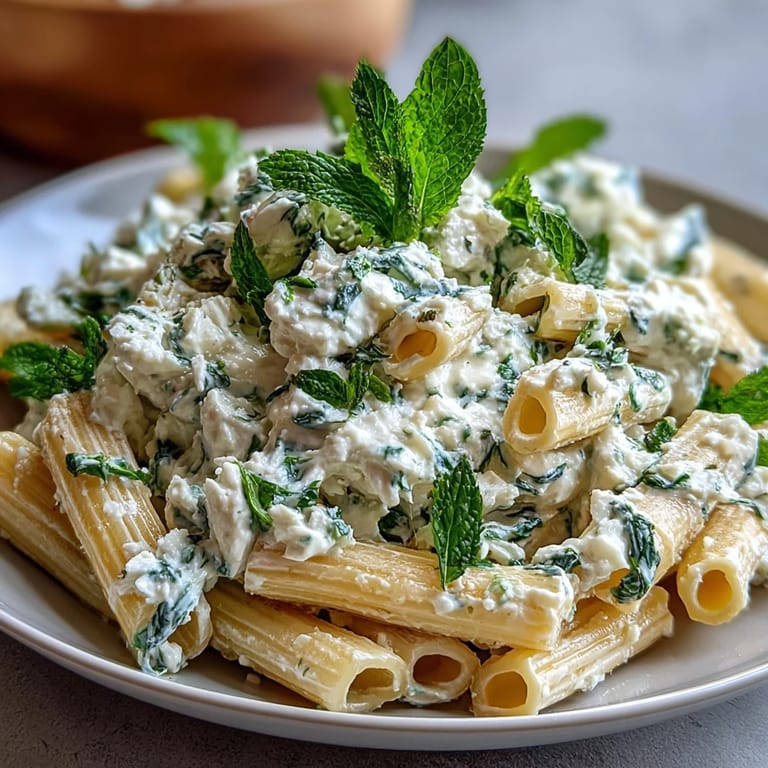
Save Last spring, I stood in my kitchen watching the afternoon light pour through the window, and I suddenly remembered why I loved cooking with fresh peas. Someone had brought them from a farmers market that morning, still in their pods, and the moment I cracked one open, the sweetness was undeniable. That's when I knew exactly what dinner needed to be—something that would let those peas shine without fussing. This pasta came together almost by accident, a simple combination of creamy ricotta, bright mint, and the peas themselves, and it changed how I think about weeknight cooking.
I made this for my sister on a random Tuesday evening, and she actually paused mid-bite, fork hovering, to ask what was in it. When I told her it was just peas, ricotta, and mint, she laughed because it tasted like I'd spent hours in the kitchen. That's the magic of this dish—it feels effortless and special at the same time, which is exactly what you want when you're cooking for someone you care about without wanting to disappear into meal prep all afternoon.
Ingredients
- Short pasta (penne, fusilli, or orecchiette): Choose a shape that will cradle the peas and ricotta—I learned this the hard way when I used spaghetti and everything just slid around.
- Fresh or frozen peas: Fresh peas are extraordinary if you can find them, but frozen ones are honestly just as good and sometimes fresher because they're frozen at peak ripeness.
- Garlic: Just two cloves, finely chopped, because you want the pasta to taste like itself with a whisper of garlic, not garlic with some pasta attached.
- Lemon zest: This is where everything wakes up—the brightness cuts through the creaminess and makes you want another bite.
- Ricotta cheese: Make sure it's fresh and creamy; the quality here really matters since it's doing the heavy lifting in the sauce.
- Parmesan cheese: Grate it yourself if you can—the pre-grated stuff sometimes has anti-caking agents that make the sauce grainy.
- Fresh mint: Buy more than you think you'll need because you'll want to taste it as you chop, and honestly, it's wonderful.
- Extra-virgin olive oil: This is where the cooking happens, so use something you actually like the taste of.
Tired of Takeout? 🥡
Get 10 meals you can make faster than delivery arrives. Seriously.
One email. No spam. Unsubscribe anytime.
Instructions
- Boil the pasta:
- Fill a large pot with water, salt it generously so it tastes like the sea, and bring it to a rolling boil. Add your pasta and cook it until it's just tender but still has a tiny bit of resistance when you bite it—that's what al dente means, and it matters here because you're adding more liquid later. Reserve a full cup of that starchy water before you drain everything, because that's liquid gold for creating your sauce.
- Warm the garlic:
- While your pasta is cooking, pour your olive oil into a large pan and set it over medium heat. Once it shimmers just slightly, add your finely chopped garlic and let it sit there for about a minute, just until it becomes fragrant—don't let it brown or turn bitter.
- Cook the peas:
- Add your peas to the pan and let them heat through for a couple of minutes if they're fresh, or 3-4 if they're frozen. You'll see them brighten up and become tender, and that's when you know they're ready.
- Bring it together:
- Add your drained pasta to the peas and toss everything around so it's evenly combined. The pan will seem a bit dry at this point, which is fine.
- Create the sauce:
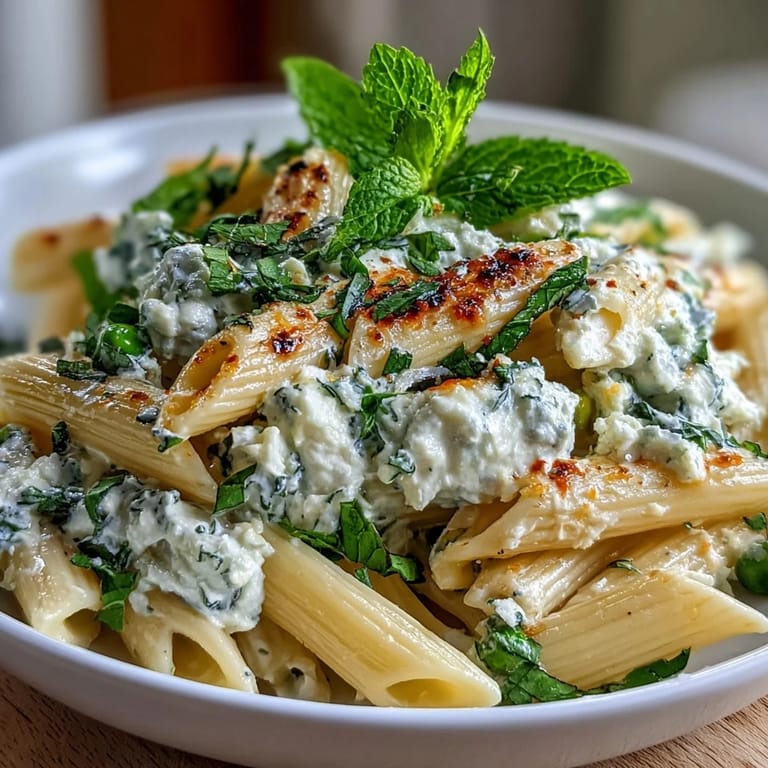
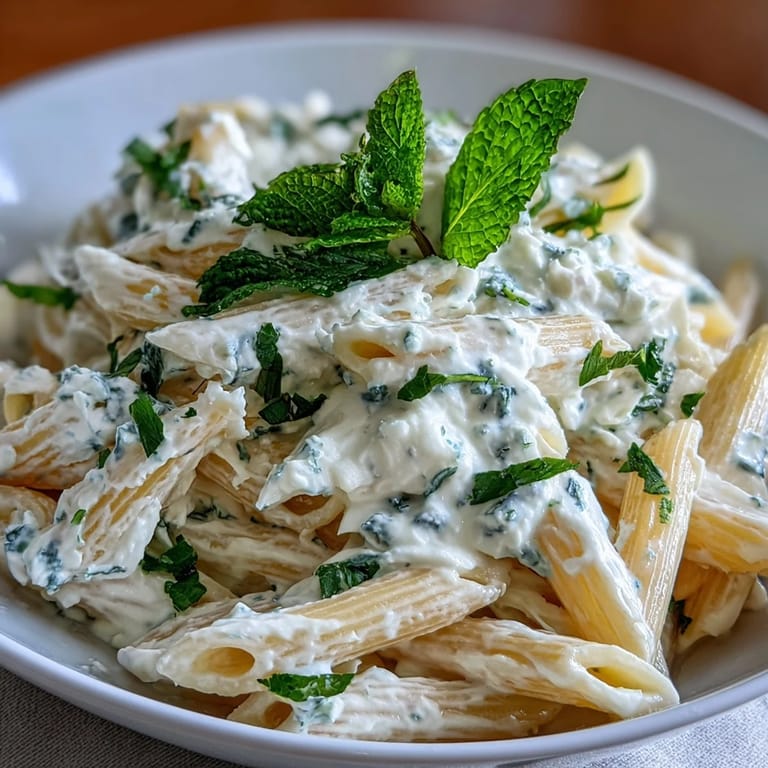
- Remove the pan from the heat and stir in your ricotta, lemon zest, Parmesan, and half of the mint. Then, here's the trick that changes everything—slowly add your reserved pasta water, just a splash at a time, until the ricotta breaks down into a creamy sauce that coats every piece of pasta. It should look silky, not soupy.
- Finish and serve:
- Taste it, adjust the salt and pepper to what feels right to you, and divide it among your plates. Sprinkle the remaining mint and a little extra Parmesan on top, and there you have it.
 Save
Save I served this to my nephew the first time he visited me in my new apartment, and watching him eat something so simple but so clearly made with care—that felt like a small victory. It was the kind of meal that says you're welcome here without saying it out loud.
The Magic of Mint in Springtime Cooking
Mint has this special power in spring pasta dishes because it doesn't overpower—it amplifies. When I started adding it in two stages, half during cooking and half at the end, everything changed. The first half integrates into the sauce and becomes this subtle fragrant backbone, while the fresh handful at the finish reminds you that you're eating something alive and seasonal. It's a small technique that makes a noticeable difference.
Why This Pasta Works for Any Occasion
What I love most about this dish is its flexibility—it works as a light lunch when you're eating alone and need something nourishing but not heavy, and it scales beautifully if unexpected friends show up for dinner. I've made it for book club, for quiet Sunday nights, and for those moments when you open the fridge and realize you have exactly these ingredients and nothing else. The ricotta and peas make it feel substantial without making you feel stuffed, which is honestly the best kind of cooking.
Seasonal Variations and Additions
Once you understand how this pasta works, you can play with it. Last month I added a handful of tender greens—arugula mostly, sometimes spinach—and it just made everything better. The heat of the pasta wilts them slightly while keeping them bright. I've also tossed in toasted pine nuts, which add this wonderful crunch that makes you feel like you're eating at a restaurant instead of your own kitchen.
- Stir in a handful of baby spinach or arugula just before serving for extra color and a subtle peppery note.
- Toast some pine nuts in a dry pan and scatter them on top for texture and richness that feels indulgent.
- If you find yourself with fresh fava beans instead of peas, they're absolutely worth using—blanch them first and then slip them out of their thin skin.
 Save
Save This pasta reminds me that the best meals are often the simplest ones, made with ingredients you genuinely care about. Make it soon, and make it for someone you want to share your table with.
Questions & Answers
- → Can frozen peas be used?
Yes, frozen peas work well; cook them slightly longer until tender.
- → What pasta shapes work best?
Short pasta like penne, fusilli, or orecchiette hold the sauce nicely.
- → How to make the sauce creamy without cream?
Adding reserved pasta water helps the ricotta create a smooth, creamy coating.
- → Can I substitute the herbs?
Fresh mint provides brightness, but basil or parsley can be used as alternatives.
- → What are good mix-ins for extra texture?
Toasted pine nuts or baby greens like spinach add crunch and freshness.