 Save
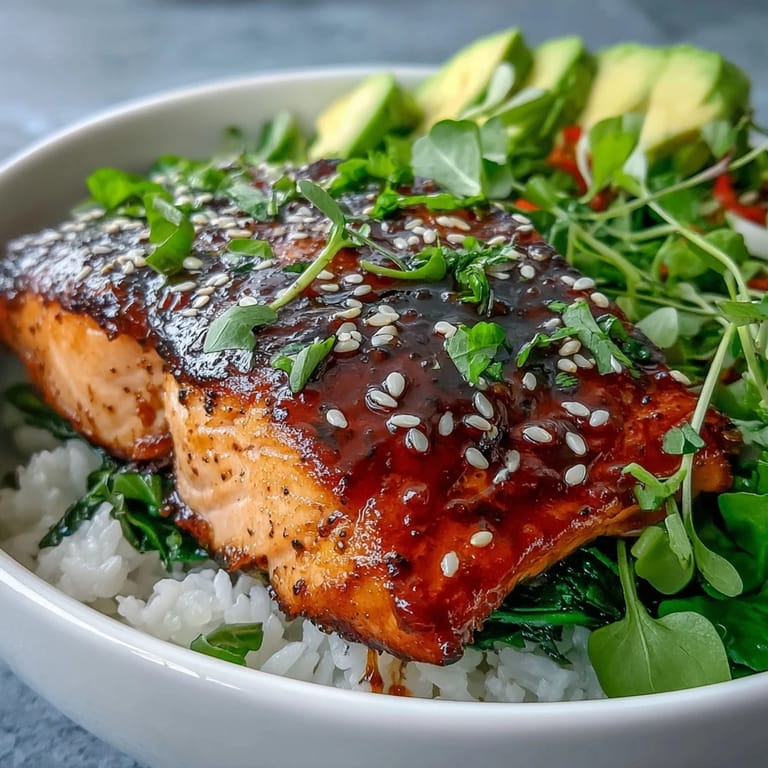
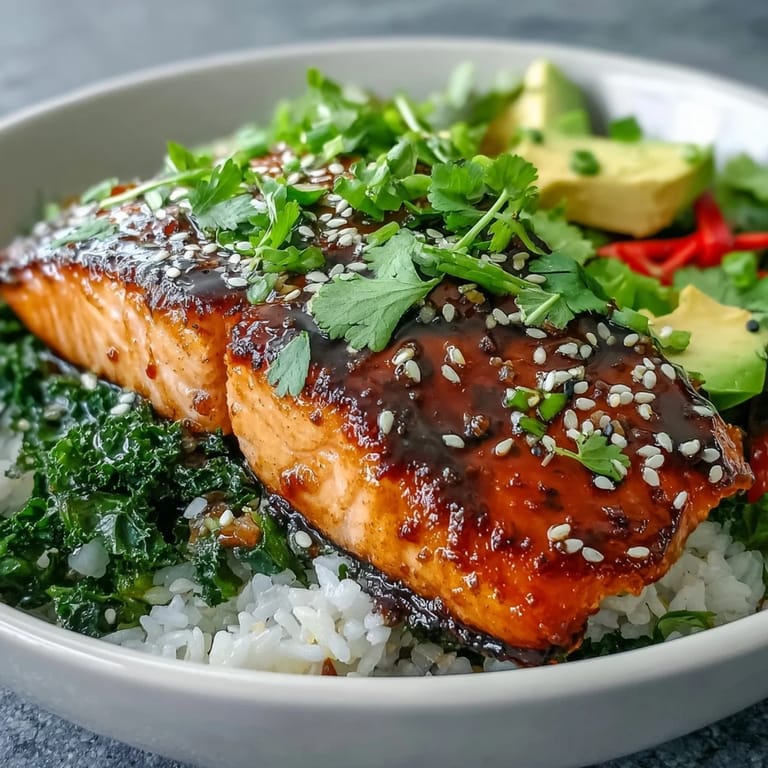
Save My coworker brought this salmon bowl to lunch one Tuesday and I watched her eat it with such quiet satisfaction that I had to ask for the recipe. There's something about the way soy and ginger perfume the kitchen while salmon cooks that made me understand why she'd become the person who meal preps these every Sunday. That glaze caught the light, sticky and glossy, and I realized this was the kind of dish that looks impressive but demands nothing complicated from you.
I made this for my sister during a random Thursday when she mentioned being tired of sad desk salads. Watching her take that first bite and immediately ask if I'd gone to cooking school was worth every minute of prep. She's made it four times since then and keeps texting me photos of variations she's trying.
Ingredients
- Salmon fillets (4, about 150g each): Pick the freshest you can find because the marinade won't hide anything, and honestly, a good fishmonger will tell you which ones came in today.
- Soy sauce (4 tbsp, low sodium recommended): Low sodium lets the other flavors shine instead of just tasting aggressively salty, which I learned the hard way.
- Fresh ginger (2 tbsp, grated): Don't use the jarred stuff because the bright, living heat you get from fresh ginger is what makes this bowl feel vibrant instead of flat.
- Honey or maple syrup (2 tbsp): This creates that glossy glaze that catches light on the plate, and maple syrup adds a slightly deeper note if you're feeling it.
- Garlic cloves (2, minced): Mince these just before cooking so the sharp, raw bite doesn't disappear into the background.
- Rice vinegar (1 tbsp): This acid keeps the glaze from being one-dimensional, cutting through richness with a gentle sharpness.
- Sesame oil (1 tbsp for marinade, 1 tbsp for vegetables): Toast your sesame seeds in the pan first if you want to deepen that nuttiness before the oil hits.
- Sriracha or chili paste (1 tsp, optional): Leave this out if heat makes you uncomfortable, but a whisper of it adds complexity without burning your mouth.
- Sesame seeds (1 tbsp, plus extra for garnish): Store these in the fridge because they go rancid faster than you'd think, and fresh ones taste like toasted butter.
- Jasmine or sushi rice (2 cups): Jasmine rice drinks in flavor and stays slightly fluffy instead of dense, which matters more than it sounds.
- Water (2.5 cups for rice): Use filtered if your tap water is very hard, because minerals can affect how rice absorbs liquid.
- Edamame (1 cup, shelled): Frozen works perfectly fine and saves you the whole tedious shelling situation.
- Shredded carrots (1 cup): Shred them fresh instead of using pre-shredded because the texture stays crisp and the flavor tastes less like cardboard.
- Red bell pepper (1, thinly sliced): Red peppers are sweeter than green ones, which balances the umami in the soy perfectly.
- Baby bok choy or snap peas (1 cup, sliced): Bok choy wilts slightly and becomes silky while snap peas stay snappy, so pick whichever mood you're in.
- Green onions (2, sliced thin): Slice these right before serving because they start to wilt and lose their bright bite if they sit around.
- Avocado (1, sliced): Add this just before eating so the flesh stays creamy and doesn't turn brown and sad looking.
- Fresh cilantro or microgreens (optional): These add a peppery freshness that feels like the final brushstroke on a painting.
- Lime wedges: Squeeze these over the bowl right before you eat because the acid wakes up everything on the plate.
Tired of Takeout? 🥡
Get 10 meals you can make faster than delivery arrives. Seriously.
One email. No spam. Unsubscribe anytime.
Instructions
- Make the magic glaze:
- In a bowl, whisk together soy sauce, honey, ginger, garlic, rice vinegar, sesame oil, and sriracha until the honey dissolves and everything smells like you're cooking in an Asian restaurant. Set aside 2 tablespoons in a small dish because this reserved portion is going to drizzle over the finished bowl and it's important enough to save.
- Marry the salmon to the marinade:
- Place salmon fillets in a shallow dish and pour the rest of the glaze over them, turning to coat every surface. Pop this into the fridge for 15 to 30 minutes, which gives the fish time to absorb the flavors without getting too acidic from the vinegar.
- Get the rice going:
- Rinse the rice under cold water until the water runs clear because this removes excess starch and keeps grains from clumping together. In a saucepan, combine rice with water and a pinch of salt, bring to a boil, then reduce heat to low, cover, and let it steam for 15 minutes until the water disappears.
- Stir-fry the vegetables into submission:
- While rice cooks, heat sesame oil in a large nonstick skillet over medium-high heat and add edamame, carrots, bell pepper, and bok choy in quick succession. Stir-fry for 3 to 4 minutes, tasting as you go, until everything has softened slightly but still has enough bite to feel alive on your tongue.
- Sear the salmon into glossy perfection:
- Remove salmon from the marinade (discard what it soaked in because safety first) and sear it in the same skillet over medium-high heat for 3 to 4 minutes per side. You'll know it's done when the exterior glazes and the flesh flakes easily, and the kitchen smells like something you'd pay restaurant prices for.
- Build your bowl like you're composing a meal:
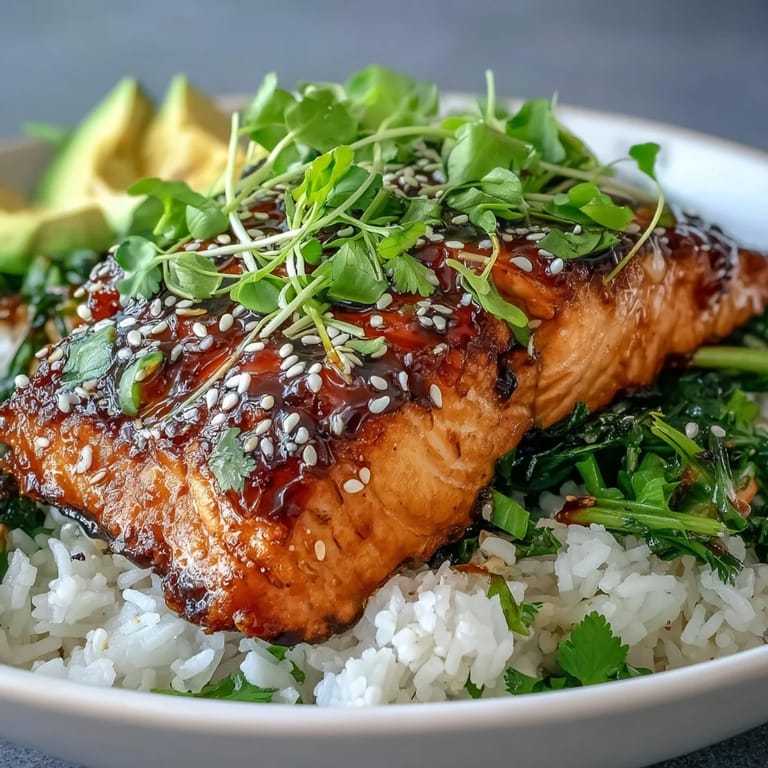
- Divide rice among four bowls, then layer on the stir-fried vegetables, a salmon fillet, avocado slices, and green onions. Drizzle with that reserved marinade you saved earlier, add cilantro or microgreens if using, and serve with lime wedges alongside so people can add brightness as they eat.
 Save
Save My partner sat across from me eating this bowl in complete silence for so long that I thought something was wrong until they said this was the first time in weeks they'd actually tasted what they were eating. That's when I understood this recipe isn't just about feeding yourself efficiently, it's about creating moments where food pulls you back into the room.
The Glaze is Everything
The moment that combination of soy, honey, and ginger hits heat, something chemical happens and suddenly you're not just cooking salmon, you're creating an experience. I've made this glaze for chicken, tofu, and even vegetables, and it works because the balance between salt, sweet, acid, and heat is already solved for you. The sesame oil is what makes it luxurious instead of just tasty, adding a richness that rounds everything out.
Timing is Your Friend Here
The beautiful part about this bowl is that everything finishes at roughly the same time if you start the rice first and then begin the vegetables while it's simmering. Your salmon hits the pan last, which means it's still warm and glossy when you assemble everything. If you're nervous about timing, marinate the salmon while you prep and cook rice, then everything else happens in the final 10 minutes like magic.
Flexible Enough for Your Kitchen
This recipe doesn't care if you swap brown rice for white rice, or use cauliflower rice if you're watching carbs, and it honestly tastes just as good. The vegetables are suggestions, not commandments, so throw in whatever you have that's colorful and crisp enough to stay interesting in a bowl. The only thing I wouldn't change is the core glaze because that's what makes this special instead of just another salmon dinner.
- Tamari replaces soy sauce perfectly if you need gluten-free, and honestly, the flavor is slightly deeper and more complex.
- Add pickled ginger on top if you want an extra bright note that cuts through the richness without being aggressive.
- Chardonnay or a dry Riesling will pair beautifully if you're making this for people instead of just Tuesday lunch.
 Save
Save This bowl has become my answer to the question of what to make when you want something that tastes intentional but doesn't demand hours in the kitchen. Make it once and it'll join the rotation of meals you reach for when you want to feel like you're taking care of yourself.
Questions & Answers
- → Can I use frozen salmon for this bowl?
Yes, frozen salmon works perfectly. Thaw it completely in the refrigerator before marinating, and pat it dry with paper towels to ensure proper searing.
- → What other vegetables can I add?
Snap peas, shredded cabbage, sliced radishes, cucumber, or steamed broccoli all work beautifully. Use whatever fresh vegetables you have on hand.
- → How long should I marinate the salmon?
15 to 30 minutes in the refrigerator is ideal. Longer than an hour may make the texture too salty due to the soy sauce.
- → Can I make this gluten-free?
Absolutely. Replace the soy sauce with tamari or coconut aminos, and the dish becomes completely gluten-free without sacrificing flavor.
- → What's the best way to reheat leftovers?
Reheat the salmon and vegetables gently in a skillet over medium heat. Warm the rice separately in the microwave or with a splash of water in a pan. Avoid overheating the salmon to prevent drying.
- → Can I substitute the salmon?
Try this marinade with other fatty fish like cod, halibut, or even tuna steaks. Adjust cooking time based on thickness—thinner fillets cook faster.